



RUST is often described through its surface traits: survival, crafting, PvP, and harsh environments. However, these descriptions fail to capture the game’s most defining and enduring system—the emergent social contract. This article does not explain how to play RUST, nor does it provide tips or strategies. Instead, it focuses deeply on one specific topic inside the game: how trust, betrayal, and informal social agreements evolve over time in RUST, shaping player identity and memory. By examining this topic in chronological order, RUST can be understood not merely as a survival game, but as a long-term social experiment driven entirely by human behavior.
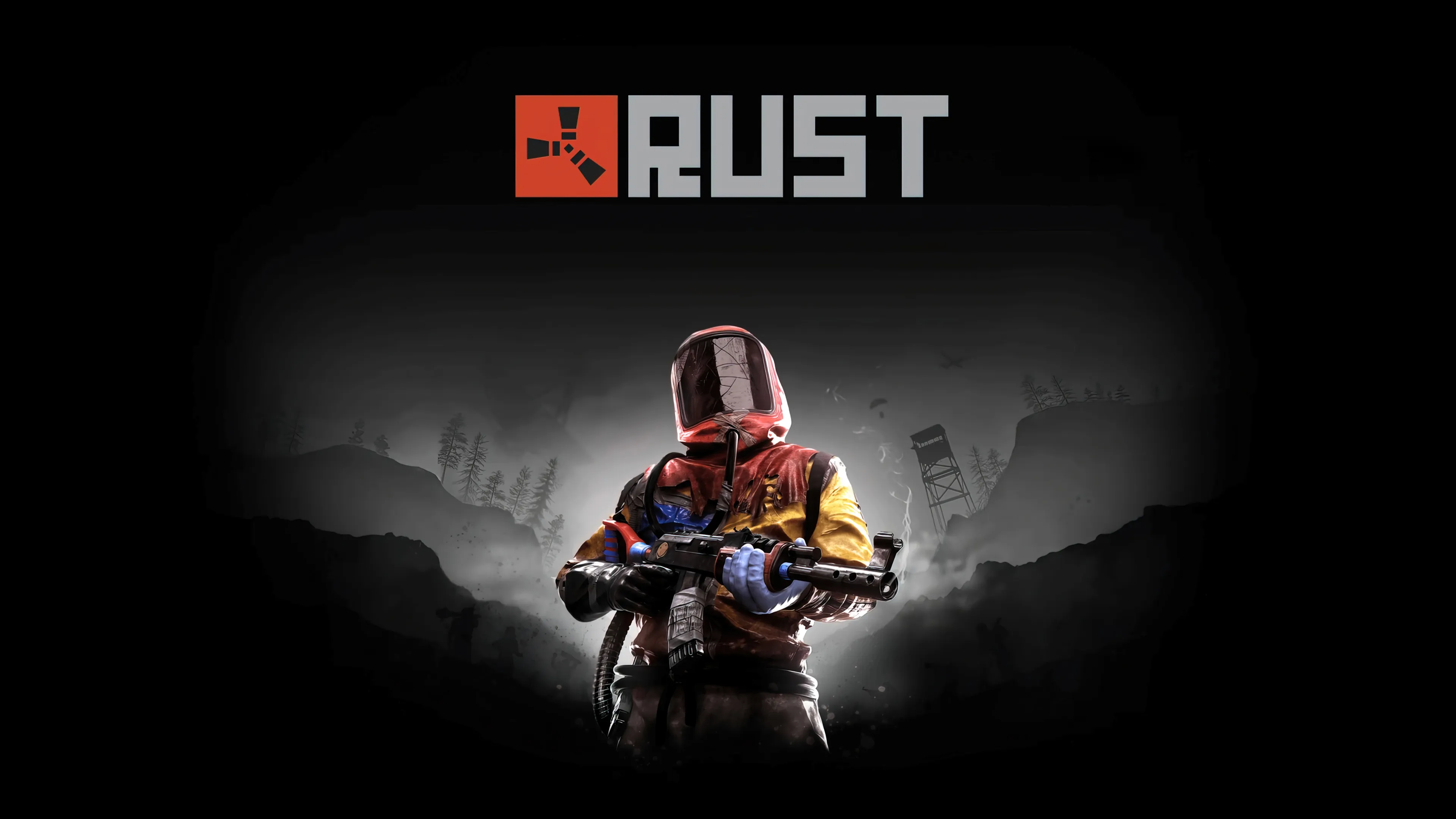
1. The First Spawn: Social Zero and Absolute Uncertainty
Every RUST experience begins at social zero. Players spawn naked, without tools, weapons, or protection, surrounded by strangers whose intentions are completely unknown. There is no narrative introduction, no alliance system, and no moral framework provided by the game.
At this stage, survival is inseparable from social interpretation. A distant figure on the beach is not yet an enemy or an ally, but a question. This uncertainty is the soil in which all future social contracts will grow.
The Meaning of Silence
Early interactions are often wordless. Silence itself becomes a signal, forcing players to interpret movement, distance, and hesitation as social information.
2. Early Encounters: The Birth of Micro-Agreements
As players begin gathering basic resources, short-lived encounters occur. Two players mining the same rock may avoid attacking each other, creating a temporary, unspoken agreement.
These micro-agreements are fragile. They exist only in the moment and dissolve instantly if circumstances change. Yet they are the first step toward social structure in RUST.
Characteristics of Micro-Agreements
- Unspoken and situational
- Highly vulnerable to betrayal
- Driven by shared weakness
3. Voice Chat and the Humanization of Risk
The introduction of voice communication radically transforms RUST’s social environment. A voice introduces age, emotion, hesitation, and intent into an otherwise anonymous interaction.
Trust becomes more complex. Players no longer judge only movement and distance, but tone, sincerity, and timing. When betrayal occurs after spoken promises, it feels deeply personal.
Voice as a Social Contract
A promise spoken aloud feels binding, even though the game provides no mechanism to enforce it.
4. Base Building as a Declaration of Intent
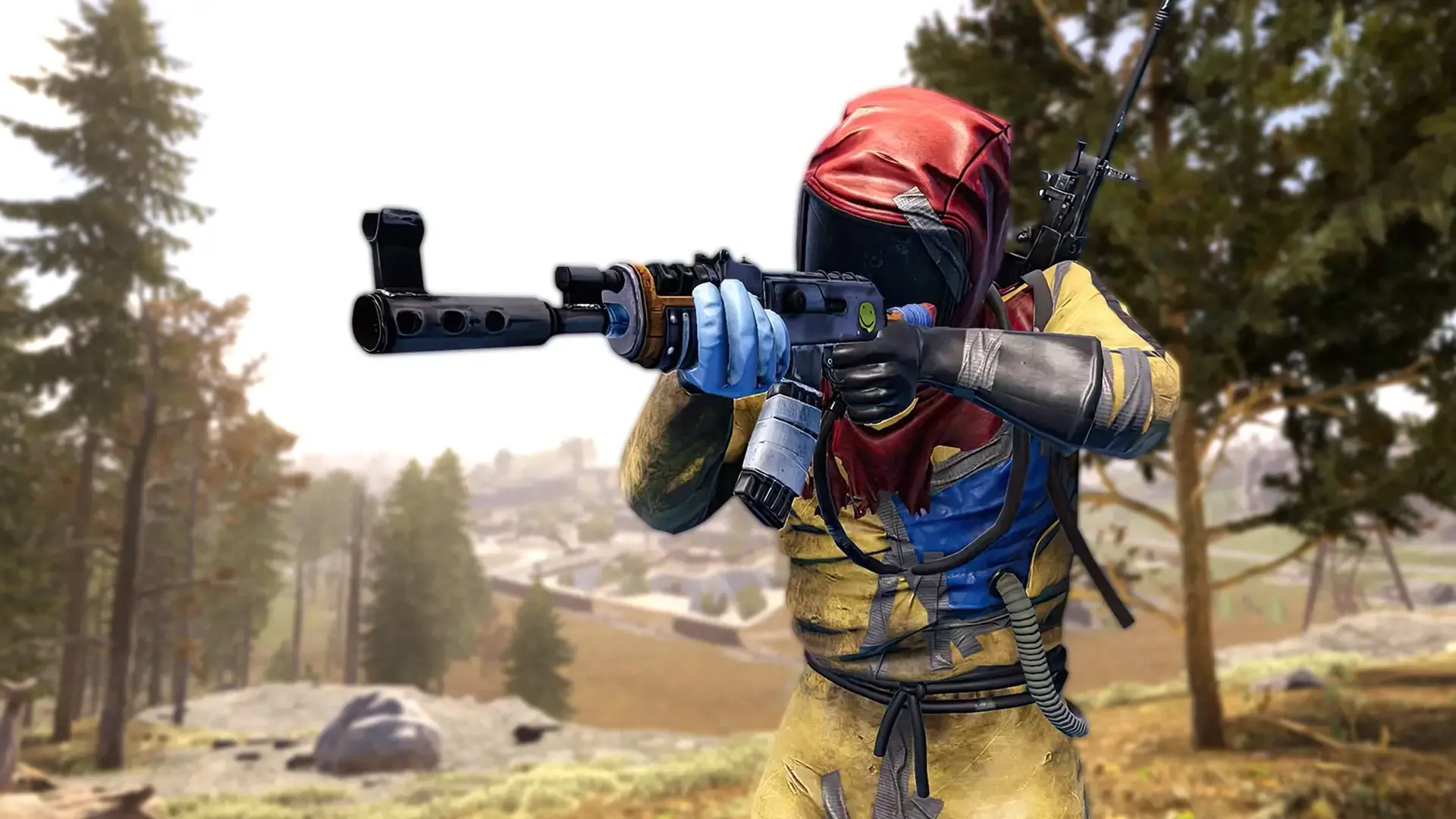
Building a base is more than a defensive action. It is a public declaration of intent and presence. A base communicates ambition, time investment, and territorial claim.
Other players read bases like social texts, interpreting walls, doors, and locations as signals of how their owners intend to exist in the world.
Bases as Social Signals
- Hidden bases suggest avoidance or caution
- Open compounds imply confidence
- Fortified structures signal long-term dominance
5. Group Formation: From Individuals to Collective Identity
Over time, players form groups. These groups are not only tactical units, but social organisms with shared memory and reputation.
Trust inside a group grows through shared danger, coordinated effort, and mutual loss. Betrayal from within is far more damaging than attacks from outsiders.
The Cost of Belonging
Joining a group means sacrificing autonomy. Individual survival becomes secondary to collective survival.
6. Trade, Alliances, and the Economy of Reputation
As groups stabilize, trade emerges naturally. Resources, weapons, protection, and information become currencies in a player-driven economy.
Reputation becomes a powerful invisible system. Some players become known as honest traders, others as opportunistic raiders. These reputations persist beyond individual encounters.
Reputation Without Code
- Word-of-mouth communication
- Observed behavior over time
- Memory carried across wipes
7. Betrayal as a Narrative Event
Betrayal in RUST is not merely a loss of items. It is a narrative rupture. Players remember who betrayed them, how it happened, and under what circumstances.
These moments often define the emotional arc of an entire wipe, creating personal stories that outweigh mechanical progress.
Why Betrayal Hurts More Than Death
Death is expected in RUST. Betrayal violates an invented rule, making it emotionally meaningful.
8. Raids and the Collapse of Social Order
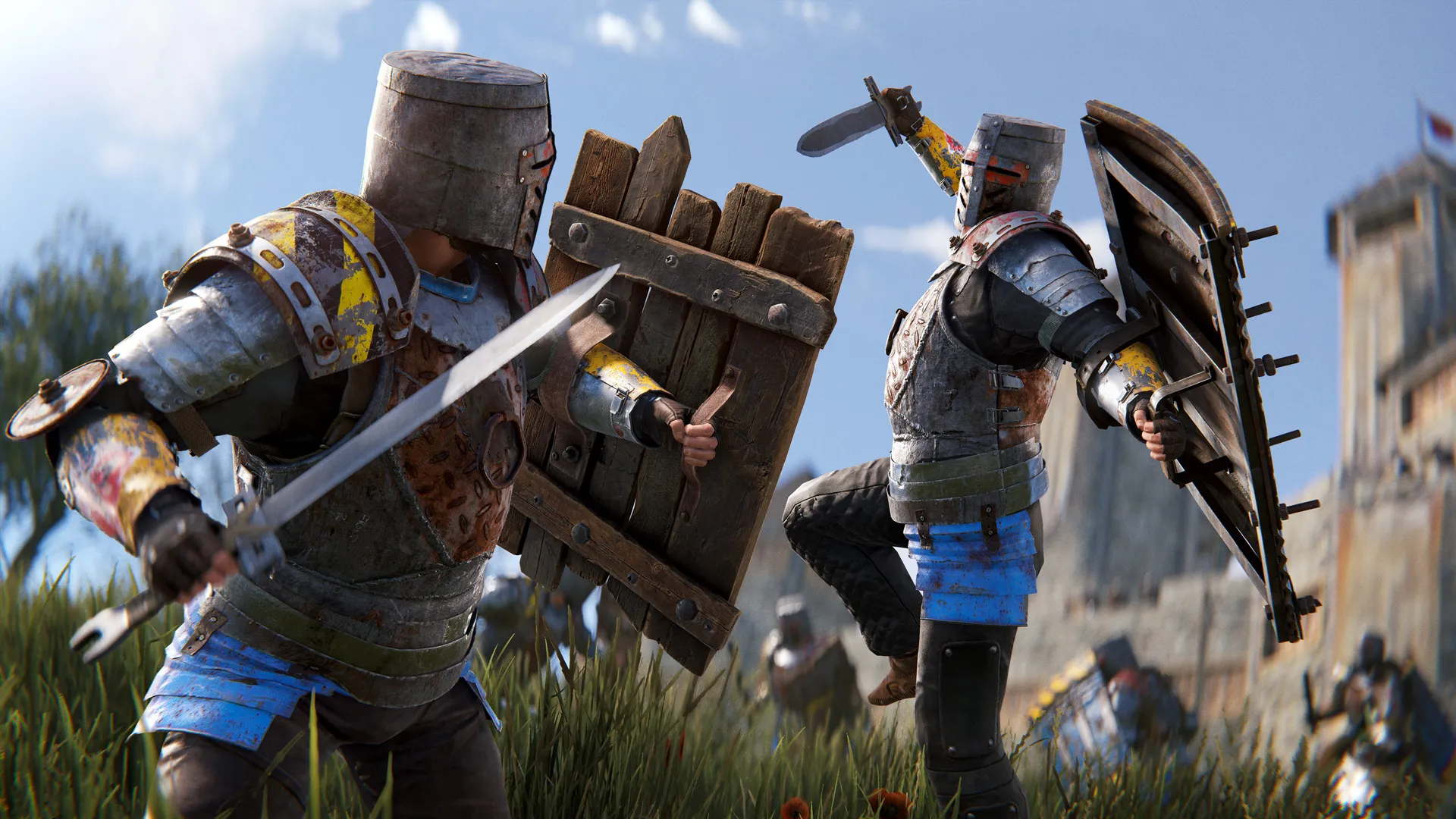
Raiding represents the most explicit rejection of social contracts. It is violence with preparation and intent, often carried out after observation and planning.
Raids reshape the social map. Alliances break, revenge cycles begin, and entire regions change population as players relocate.
Post-Raid Social Consequences
- Heightened distrust of neighbors
- Formation of revenge-driven alliances
- Migration to new territories
9. The Wipe: Erasure of Objects, Persistence of Memory
Server wipes erase bases, inventories, and territory. What they do not erase is memory. Players remember names, voices, and betrayals across wipes.
This persistence of social memory gives RUST continuity beyond its mechanical resets.
Emotional Continuity Across Wipes
The world resets, but the social history survives in the players.
10. RUST Today: Social Survival as the True Endgame
In its current form, RUST functions as an informal social system. There are no enforced laws, only remembered behavior. Trust is negotiated, broken, repaired, and sometimes weaponized.
The ultimate survival challenge in RUST is not hunger, radiation, or combat—it is navigating human unpredictability over time.
A Game That Stores Data in People
RUST endures because its most important records are not saved on servers, but in players’ memories.
Conclusion
RUST’s lasting power comes from its refusal to define social rules. By forcing players to invent trust without enforcement, it turns survival into a social experiment. Bases fall, items vanish, and maps reset, but the stories of trust and betrayal remain. RUST is not just a game about staying alive—it is a game about remembering who you chose to believe.