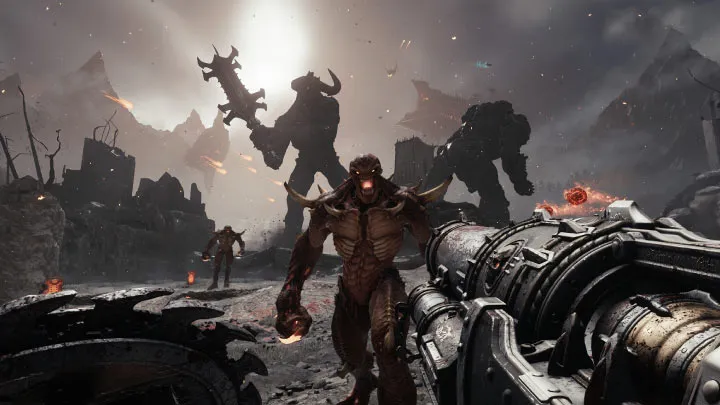






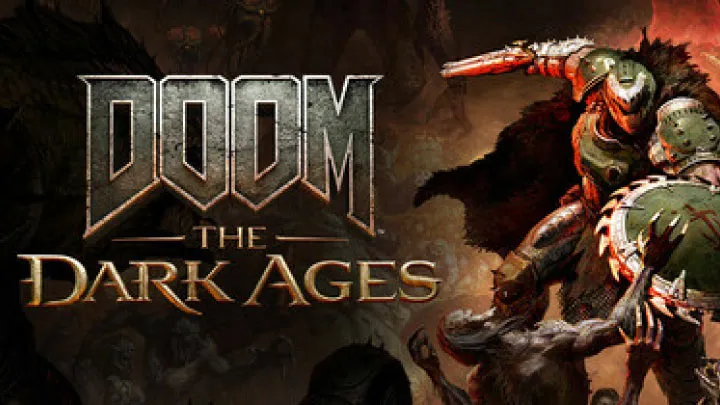
DOOM: The Dark Ages reinvents the classic DOOM formula by merging fast-paced first-person shooting with intricate thematic elements, set in a dark fantasy world filled with supernatural foes. The game, released in 2024, seeks to redefine the franchise by incorporating an expansive narrative and deeper lore while retaining the visceral combat elements DOOM is known for. However, one significant issue that has surfaced among the player community is the challenge of enemy design and combat balancing. This article delves into the complexities of these aspects, examining their impact on player experience and engagement within the world of DOOM: The Dark Ages.
Introduction to DOOM: The Dark Ages
A Shift in Tone and Setting
DOOM: The Dark Ages represents a departure from the sci-fi horror roots of its predecessors, transitioning instead to a medieval landscape where demons from folklore and mythology collide with advanced weaponry. This tonal shift aims to attract new players while catering to long-time fans eager for a fresh take on the franchise. As players navigate through eerie castles and cursed woodlands, they encounter a host of new adversaries that pose unique challenges.
The Goal of Combat Fluidity
In traditional DOOM fashion, the game emphasizes fluid combat, requiring players to maintain a state of constant motion. This approach ensures a thrilling gameplay experience where dodging enemy attacks and engaging in fast-paced shooting defines player interactions. However, the complexity of developing varied enemy types adds layers of difficulty to combat balancing.
The Challenge of Enemy Variety
Designing Unique Adversaries
One of the most exciting aspects of DOOM: The Dark Ages is the introduction of diverse enemy types, each equipped with unique abilities and weaknesses. The distinctiveness of foes is crucial, as it keeps the gameplay dynamic and engaging. Notable enemy categories include:
- Impish Tricksters: Agile adversaries that employ guerrilla tactics with hit-and-run attacks.
- Beastly Brutes: Heavily armored enemies that require strategy to take down, testing player skills.
- Dark Sorcerers: Ranged foes capable of casting debilitating spells that disrupt combat flow.
The Balance Between Challenge and Frustration
While the variety enriches the experience, it can also lead to frustration if not appropriately balanced. Some players have noted that certain encounters become overwhelmingly difficult, particularly when facing multiple enemies with dramatically different attack patterns. Striking a balance between offering a challenge and ensuring players do not feel overwhelmed is essential to maintaining engagement.
Combat Mechanics and Fluidity
The Importance of Movement
A signature element of the DOOM franchise is its emphasis on mobility. In DOOM: The Dark Ages, the fluidity of combat is enhanced through a revamped movement system. Players can dash, slide, and wall-run, enabling them to evade attacks while simultaneously engaging enemies.
Emphasizing Weapon Variety
Equipping players with a diverse arsenal enhances combat dynamics. From powerful crossbows to magical scepters, DOOM: The Dark Ages allows players to mix and match different weapons to address varied threats. However, the effectiveness of weapons against certain enemy types can create disparities in combat.
Assessing Player Skill Levels
The game often caters to different player skill levels, introducing a tiered combat system. Novice players may struggle with faster enemies, while seasoned players can exploit enemy weaknesses more effectively. The challenge here lies in ensuring that all players can enjoy the experience without feeling alienated by overly punishing combat mechanics.
The Role of Enemy AI
Developing Challenging Yet Predictable Behavior
Enemy AI is crucial in delivering a satisfying combat experience. In DOOM: The Dark Ages, well-designed enemy behaviors keep players on their toes, creating more engaging encounters. AI-controlled foes should exhibit patterns that become apparent over time; this allows players to develop strategies and counter their attacks.
Creating Tactical Depth
Effective enemy AI can promote tactical gameplay, encouraging players to adapt their strategies based on foes encountered. For instance, a group of Tricksters may require a different approach than facing Brutes or Sorcerers. Encouraging players to think critically about engagement not only adds depth to combat but makes victories feel more rewarding.
Player Feedback and the Iterative Process
Gathering Community Insights
After the game's release, player feedback has revealed crucial insights into the enjoyment of enemy encounters and combat systems. Community forums have become a vital space for players to share experiences. Many express enjoyment of the variety but voice concerns about certain enemy encounters feeling unbalanced.
Addressing Common Concerns
Developers have begun addressing player concerns through updates. These patches may adjust enemy health, damage outputs, or even tweak the AI behavior to enhance balance. Listening to the community fosters a sense of collaboration and helps improve the overall experience.
Exploring Difficulty Modes
Designing Engaging Difficulty Levels
DOOM: The Dark Ages offers multiple difficulty modes, allowing players to select their preferred challenge level. These modes aim to cater to a broad audience, from casual gamers to hardcore fans seeking the ultimate test.
Implementing Adaptive Challenges
Creating adaptive difficulty settings can further enhance gameplay. By monitoring player performance and adjusting enemy health and damage output in real-time, developers can ensure that each encounter remains engaging, regardless of the player's expertise. This approach can help avoid punitive experiences while keeping combat thrilling.
Balancing Narrative and Combat
Integrating Story with Gameplay
In DOOM: The Dark Ages, the narrative plays a critical role in motivating combat encounters. The protagonist battles various foes to reclaim a cursed kingdom, and ensuring engagement in combat is crucial for narrative progress. Each enemy encounter should feel integral to the overarching story.
The Impact of Character Development
Character development through combat performance creates emotional investment in the game. As players face enemies and overcome challenges, they feel a sense of growth and accomplishment. Balancing combat challenges while progressing the story engages players and elevates the thematic richness.
Future Directions for Combat Design
Continuous Iteration and Development
As DOOM: The Dark Ages develops further, continuous improvements based on player feedback will be crucial for refining enemy design and combat mechanics. Engaging with communities for suggestions allows developers to innovate and evolve the game.
Experimenting with New Enemies
Adding new enemies through expansions or updates can revitalize gameplay. Incorporating seasonal events or new foe types will enhance player engagement and encourage exploration of combat strategies. This iterative process keeps players invested in the evolving world of DOOM: The Dark Ages.
Conclusion
DOOM: The Dark Ages successfully reinvents the franchise by merging fast-paced combat with a rich narrative rooted in dark fantasy. However, the challenges of enemy design and combat balancing remain paramount. By focusing on unique adversaries, implementing effective AI, and addressing player feedback, the developers can enhance the combat experience. As the game evolves, fostering continuous improvement will enable DOOM: The Dark Ages to maintain its compelling engagement while inviting new players into its richly crafted world