The Price of Offensive Momentum: How Positive Bonus Reshapes Neutral Game in GUILTY GEAR -STRIVE-
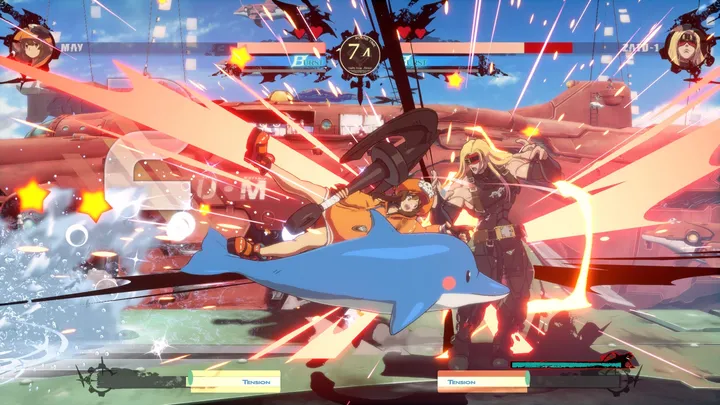
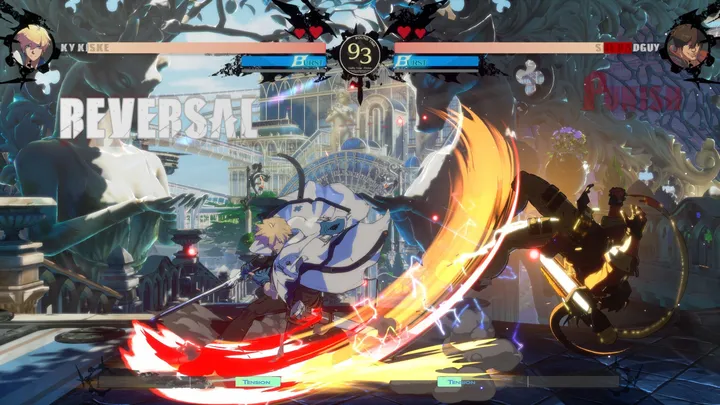
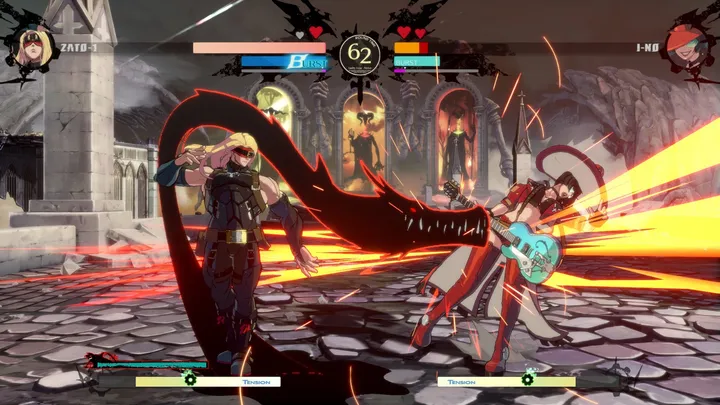
GUILTY GEAR -STRIVE- represents a major evolution of the long-running Guilty Gear developed by Arc System Works. While preserving the series' signature anime aesthetic, explosive combos, and mechanically rich combat, Strive intentionally streamlined many legacy systems to make high-level play more readable and approachable. One of the most influential additions is the Positive Bonus mechanic. Players earn Positive Bonus after breaking the wall and transitioning to a new stage. In return, they receive faster Tension Gauge generation and improved offensive momentum. On paper, this mechanic rewards successful aggression while creating cinematic stage transitions. In practice, however, it fundamentally changes how neutral game is played. This article examines one specific issue in GUILTY GEAR -STRIVE-: how Positive Bonus creates a compounding offensive advantage that shifts the balance between neutral play and sustained pressure. Rather than simply rewarding a successful combo, Positive Bonus often allows winners to dominate subsequent interactions through accelerated resource generation, reducing opportunities for defensive recovery. 1. Understanding Positive Bonus Positive Bonus activates after a successful wall break. The attacker receives temporary advantages while both players return to neutral positioning. H3: Immediate Rewards Positive Bonus grants: Faster Tension Gauge gain Increased offensive resources Better access to Roman Cancel Greater pressure potential H4: Designed Incentive The mechanic encourages players to: Extend combos Pursue wall breaks Maintain offensive momentum Rather than resetting the match completely, wall breaks reward continued aggression. 2. Wall Break as a Strategic Objective Before Positive Bonus can occur, players must successfully break the stage wall. H3: Combo Routing Changes Instead of maximizing raw damage, experienced players frequently optimize for: Wall carry Corner positioning Wall splat timing H4: Resource Investment Players may intentionally spend Tension to guarantee: Wall break Positive Bonus Superior post-break positioning The objective shifts beyond immediate damage. 3. Neutral Game Before Positive Bonus Early in each round, both players compete under relatively equal resource conditions. H3: Balanced Interaction Neutral revolves around: Spacing Footsies Movement Poke timing H4: Equal Opportunity Neither player possesses a substantial resource advantage. Victory depends primarily on: Reads Execution Character knowledge This creates the fairest phase of the round. 4. The First Successful Conversion Everything changes once one player secures a wall break. H3: Momentum Begins The winning player immediately gains: Positive Bonus Faster meter generation Greater offensive flexibility H4: More Than Extra Damage Positive Bonus is not simply a reward. It accelerates future opportunities. The attacker now gains resources faster than the defender. 5. Accelerated Tension Economy Tension Gauge fuels many of Strive's strongest mechanics. H3: Meter as Universal Power Tension enables: Roman Cancels Overdrives Faultless Defense Defensive options H4: Unequal Resource Growth Positive Bonus allows one player to: Build meter rapidly Spend resources aggressively Recover meter quickly Meanwhile, the opponent generates Tension at the normal rate. The economic gap widens. 6. Offensive Snowball Effect Once meter generation accelerates, offensive momentum compounds. H3: Roman Cancel Pressure Frequent Roman Cancels allow: Extended pressure Combo conversions Mix-up opportunities Safer offense H4: Continuous Threat The defending player must respect increasingly frequent offensive options. List – Effects of Offensive Snowballing Longer pressure sequences More frame traps Higher conversion rates Greater corner carry Momentum becomes self-reinforcing. 7. Defensive Recovery Becomes Difficult Although the wall break technically resets positioning, it does not fully reset momentum. H3: Resource Disadvantage The defender often has: Less Tension Lower initiative Reduced offensive opportunities H4: Psychological Pressure Knowing the opponent possesses Positive Bonus influences decision-making. Players become: More cautious Less willing to challenge More likely to respect pressure The mechanic affects both gameplay and psychology. 8. Character-Specific Impact Positive Bonus does not benefit every character equally. H3: Aggressive Characters Rushdown characters often gain enormous value because they can repeatedly exploit: Fast meter gain Continuous offense Extended pressure H4: Defensive Characters More patient characters may receive comparatively smaller benefits. List – Unequal Advantages Positive Bonus particularly strengthens characters relying on: Roman Cancel extensions Offensive mix-ups High-pressure offense Meter-intensive combos This creates balance challenges. 9. Tournament-Level Implications At high levels of competition, Positive Bonus becomes a strategic objective rather than a bonus. H3: Routing Around Wall Break Professional players frequently alter combo routes to secure: Guaranteed wall break Positive Bonus Better round control H4: Round Flow Changes Instead of asking: "How much damage can I deal?" Players ask: "How do I maintain momentum for the next interaction?" The economy of future advantage outweighs immediate reward. 10. Balancing Reward and Neutral Integrity Positive Bonus successfully encourages exciting gameplay, but it also creates structural tension. H3: Strengths The mechanic: Rewards offensive success Prevents stagnant corner pressure Creates cinematic pacing Encourages active play H4: Structural Concerns However, it also: Accelerates snowballing Weakens neutral resets Amplifies meter inequality Extends offensive dominance List – Potential Adjustments Possible refinements include: Slightly shorter Positive Bonus duration Reduced Tension acceleration Greater defensive compensation after wall break Character-specific balancing Such changes could preserve excitement while strengthening competitive balance. Conclusion GUILTY GEAR -STRIVE- successfully modernized one of fighting games' most technically demanding franchises. Among its many innovations, Positive Bonus stands out as a mechanic that rewards aggressive play while encouraging dynamic stage transitions and visually exciting matches. Yet this same system quietly reshapes the game's strategic foundation. By accelerating Tension generation after a successful wall break, Positive Bonus creates a feedback loop where offensive momentum generates additional offensive opportunities. Rather than fully resetting neutral, the mechanic often extends one player's advantage into the next phase of the round. This does not diminish Strive's competitive depth. Instead, it highlights how a seemingly simple reward system can influence every aspect of high-level play—from combo routing to psychological pressure and resource management. Ultimately, Positive Bonus is more than a post-combo reward. It is an economic system that transforms momentum into future power, making every wall break a pivotal moment that can decide the entire round.
.webp)