





Introduction
Winter is often the first major wall that new players encounter in Don't Starve Together (DST). While Autumn provides abundant food and comfortable temperatures, Winter drastically changes the survival experience. Food sources become limited, exploration becomes dangerous, and poor preparation can quickly lead to starvation. Fortunately, surviving Winter is less about luck and more about understanding a series of practical steps.
This guide explains exactly how to survive your first Winter without starving, from the opening days of a world to the arrival of Spring. Follow these methods in order, and Winter will become a manageable challenge instead of a game-ending disaster.
 How to Start Preparing for Winter on Day One
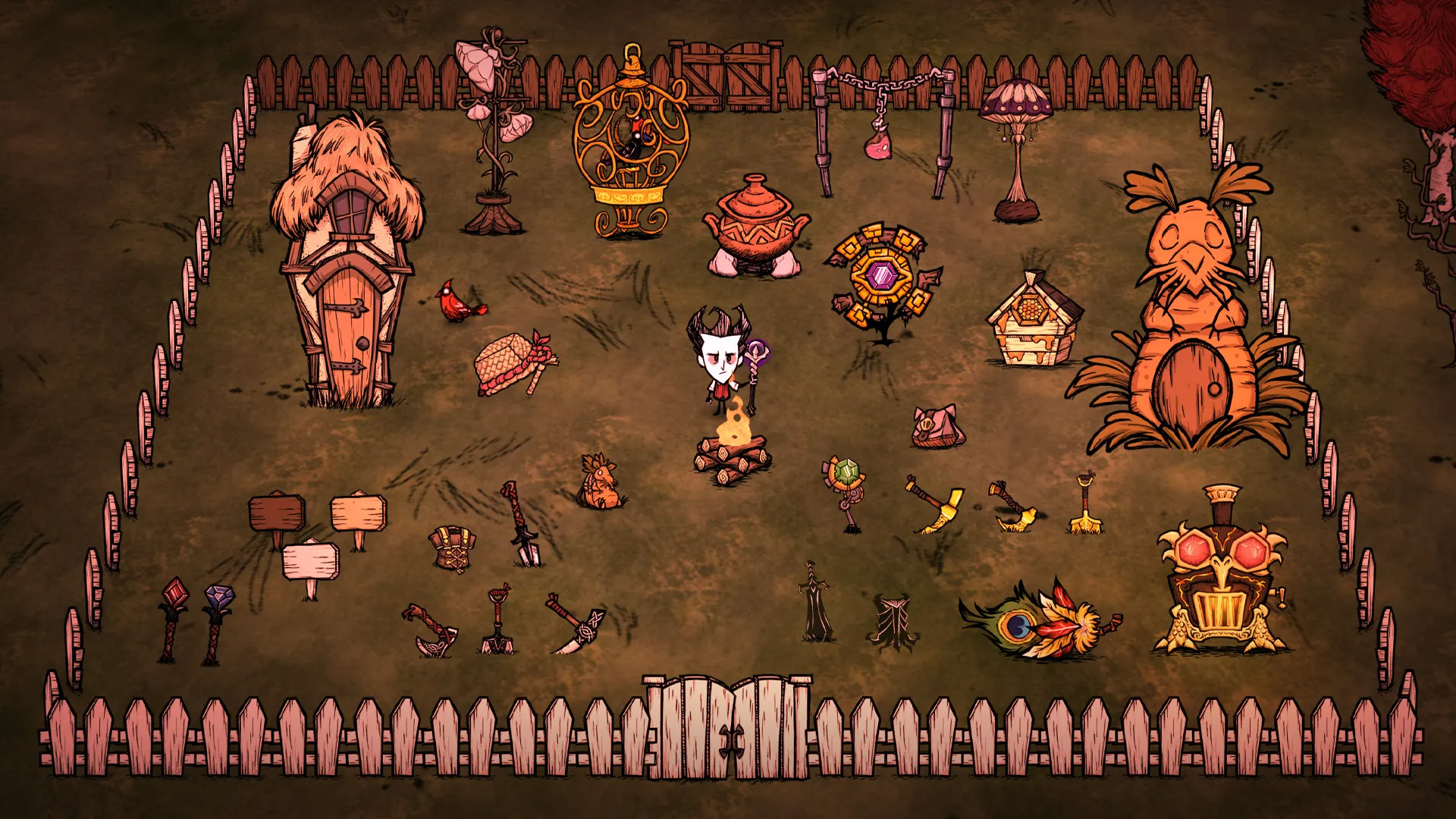
The biggest mistake new players make is waiting until Winter is near before preparing. Winter preparation should begin immediately after spawning into a new world.
During the first few days, focus on gathering basic resources while exploring the map. Collect berries, carrots, flint, grass, twigs, and logs whenever possible. These early resources create the foundation for long-term survival.
At the same time, locate important landmarks such as Beefalo herds, Pig Houses, Spider Nests, and Rabbit Fields. These locations will become critical food sources later.
Essential Resources to Gather Early
- At least 40 Logs
- At least 40 Grass
- At least 40 Twigs
- Flint and Rocks
- Gold Nuggets
- Seeds and Berries
Why Early Preparation Matters
Every resource gathered before Winter reduces the amount of risky gathering required during cold weather.
How to Choose the Best Base Location
A well-placed base can dramatically improve Winter survival.
The ideal base location should provide access to multiple food sources while minimizing travel time. Building near Rabbit Fields, Spider Nests, or Beefalo herds creates easy access to renewable food.
Avoid building too far from essential resources. Long trips during Winter increase both freezing risk and food consumption.
Good Base Features
- Nearby Rabbits
- Nearby Spiders
- Access to Trees
- Access to Rocks
- Central Map Position
Base Placement Mistakes
- Building in isolated biomes
- Building far from food sources
- Ignoring future seasonal needs
How to Build a Crock Pot as Early as Possible
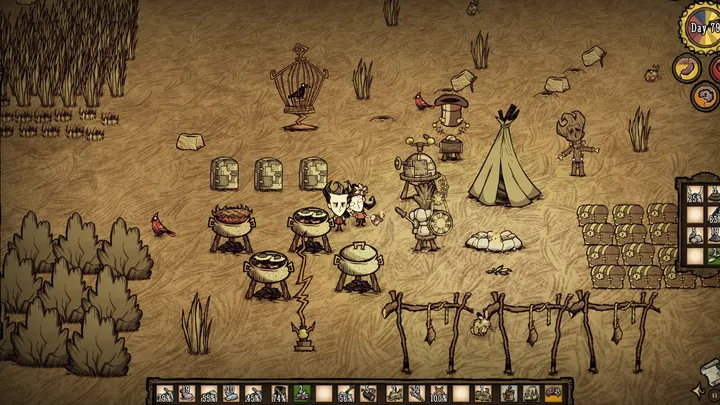
The Crock Pot is one of the most powerful survival tools in DST.
Rather than eating ingredients individually, players can combine low-value ingredients into high-efficiency meals. This greatly extends food supplies throughout Winter.
Build at least one Crock Pot before Day 10 whenever possible.
Basic Crock Pot Recipes
Meatballs
Ingredients:
- 1 Meat
- 3 Fillers
Benefits:
- Excellent hunger restoration
- Cheap ingredients
- Easy to produce
Meaty Stew
Ingredients:
- Large amount of Meat
Benefits:
- Massive hunger restoration
- Efficient storage
Why the Crock Pot Prevents Starvation
Four ingredients can often produce significantly more hunger value when cooked together.
How to Create Reliable Meat Sources Before Winter
Winter survival depends heavily on meat.
Unlike berries and carrots, meat remains available throughout the season. Establishing reliable meat production before Winter is one of the smartest investments players can make.
Spider Nests are especially valuable because they produce Monster Meat consistently.
Reliable Meat Sources
- Spider Farms
- Rabbit Traps
- Pig Hunts
- Beefalo Hunts
- Koalefants
Recommended Priority
- Rabbit Traps
- Spider Farming
- Pig Hunting
- Larger Hunts
How to Use Monster Meat Safely
Many beginners avoid Monster Meat because eating it directly causes penalties.
However, Monster Meat becomes extremely valuable when used correctly in Crock Pot recipes.
Learning to process Monster Meat efficiently can solve most Winter food shortages.
Safe Uses for Monster Meat
- Meatballs
- Bacon and Eggs
- Meaty Stew
Common Mistakes
- Eating Monster Meat raw
- Ignoring Spider Farms
- Wasting Monster Meat supplies
How to Stockpile Food Before Winter Arrives
The final days of Autumn should focus on building reserves.
Instead of expanding the base or exploring distant biomes, gather food and resources for upcoming Winter challenges.
Food reserves provide a safety net during periods of poor hunting luck.
Items to Stockpile
- Cooked Meals
- Meat
- Monster Meat
- Logs
- Grass
- Twigs
Storage Priorities
Use storage containers and refrigeration whenever possible.
How to Build and Use an Ice Box
The Ice Box dramatically slows food spoilage.
Without refrigeration, food can spoil before it is needed. An Ice Box allows players to maintain emergency food reserves throughout Winter.
Obtaining Gears may require exploration, but the investment is worth it.
Benefits of an Ice Box
- Longer food lifespan
- Reduced waste
- Larger emergency reserves
Best Foods to Refrigerate
- Meat
- Cooked Meals
- Eggs
- Rare Ingredients
How to Gather Ice and Turn It into Food
One of Winter's most useful resources is Ice.
Ice appears throughout the world and serves as an excellent filler ingredient for Crock Pot recipes.
Because Ice is plentiful, it effectively multiplies available meat resources.
How to Collect Ice
Tools Required:
- Pickaxe
Target:
- Ice Boulders
Best Uses for Ice
- Meatballs
- Meaty Stew
- Other Crock Pot Meals
Why Ice Is So Powerful
A small amount of meat combined with Ice can create surprisingly efficient meals.
 How to Hunt During Winter
Winter introduces several hunting opportunities.
Players who actively hunt often experience fewer food shortages than those who rely entirely on stored supplies.
Winter creatures provide valuable resources and additional meat.
Good Winter Hunting Targets
- Rabbits
- Penguins
- Koalefants
- MacTusk Camps
Hunting Safety Tips
- Carry healing items
- Bring proper weapons
- Monitor body temperature
How to Avoid the Most Common Winter Starvation Mistakes
Many Winter deaths are completely preventable.
Understanding common mistakes allows players to avoid them before problems appear.
Mistake #1: Relying Only on Berries
Berry bushes stop producing during Winter.
Mistake #2: Delaying Preparation
Preparation becomes much harder once Winter begins.
Mistake #3: Ignoring Crock Pots
Raw ingredients provide less value than cooked recipes.
Mistake #4: Wasting Monster Meat
Monster Meat is one of Winter's most renewable food sources.
Mistake #5: Traveling Too Far
Long trips increase freezing risks and resource consumption.
How to Transition Successfully Into Spring
The end of Winter is not the end of preparation.
Players should use the final Winter days to prepare for Spring challenges.
Spring introduces rain, seasonal bosses, and new resource management requirements.
Spring Preparation Checklist
- Maintain food reserves
- Repair equipment
- Expand food production
- Upgrade the base
Long-Term Survival Goals
- Establish renewable farms
- Improve hunting efficiency
- Build advanced food systems
Conclusion
Learning how to survive Winter in Don't Starve Together is one of the most important milestones for any player. By preparing from the first day, building a strong base, using Crock Pots effectively, creating reliable meat sources, collecting Ice, and avoiding common mistakes, players can turn Winter from a deadly obstacle into a manageable season. The key is preparation, efficiency, and consistent food management. Once these skills become routine, surviving Winter becomes one of the most rewarding parts of the DST experience.